Luang Prabang

The Jewel of the Mekong River

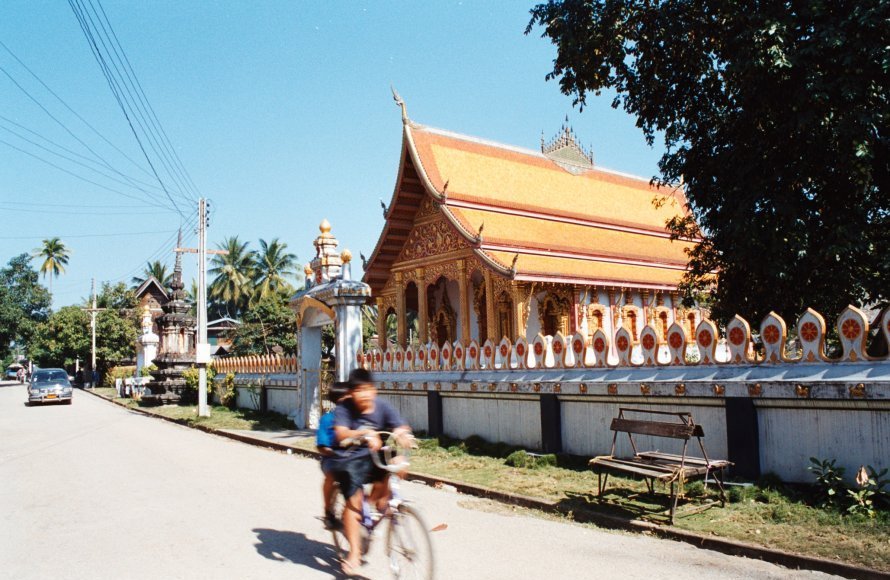
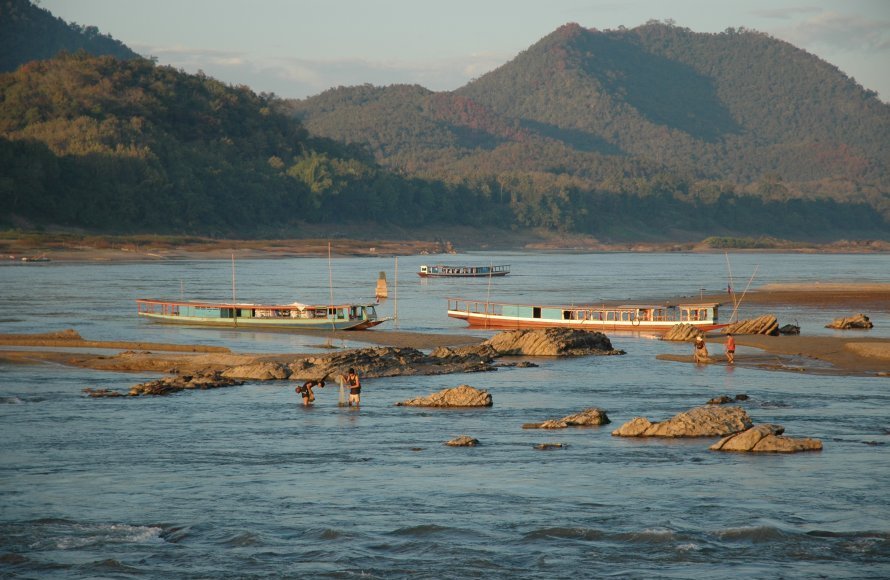
Luang Prabang is a little city surrounded by a massive jungle where dozens of ethnic groups originally migrated to live peacefully in Laos.

Nestled between the Mekong and Nam Khan rivers in northern Laos, Luang Prabang is one of Southeast Asia’s most historically rich towns. Once the royal capital of the ancient Lao kingdom, the city’s origins trace back more than a thousand years. It was known as Muang Sua before becoming the capital of the powerful Lan Xang Kingdom in the 14th century under the rule of King Fa Ngum. The kingdom, whose name means “Land of a Million Elephants,” flourished for centuries and spread Theravada Buddhism throughout the region.

The name “Luang Prabang” itself derives from the revered Phra Bang Buddha Image, a sacred statue believed to protect the country. In the late 19th century, the city became part of French Indochina, a period that left a lasting architectural and cultural influence. Despite political change during the 20th century, including the end of the monarchy in 1975, Luang Prabang preserved its unique heritage. In 1995 it was recognized as a UNESCO World Heritage Site for its remarkable blend of traditional Lao and colonial architecture, as well as its well-preserved urban landscape.

Spirituality

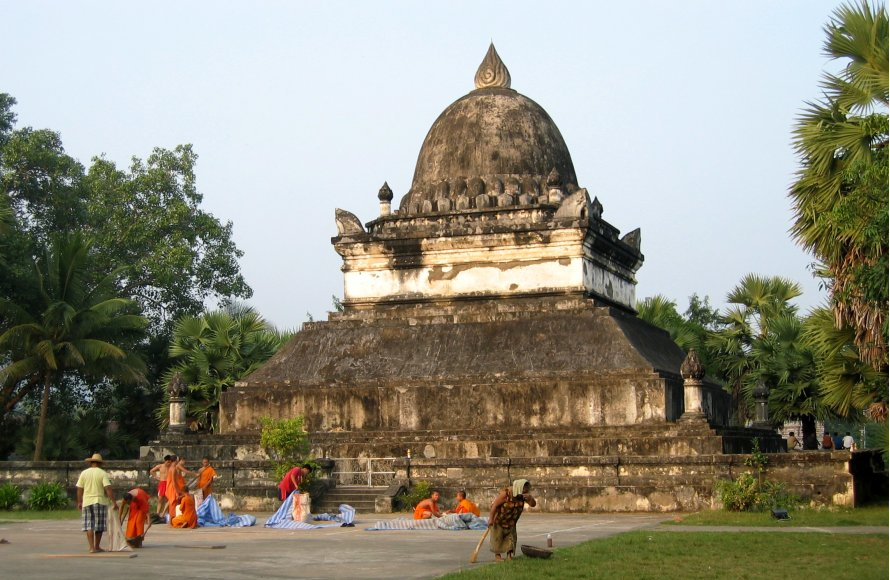
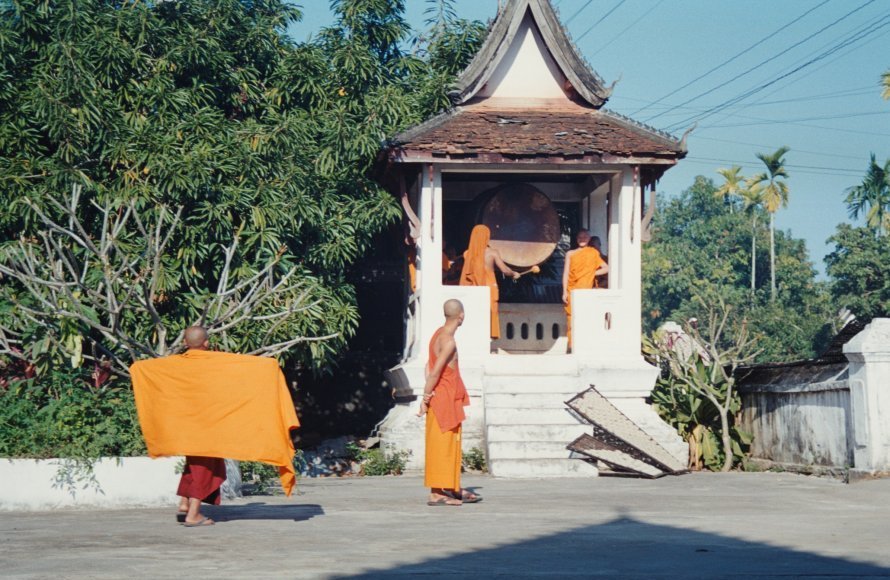
Spiritual life lies at the heart of daily existence in Luang Prabang. The city is home to dozens of Buddhist temples, known locally as wats, that form an essential part of both the skyline and the rhythm of everyday life. For centuries, Theravada Buddhism has shaped local traditions, values, and ceremonies. Early each morning, the streets fill with the quiet footsteps of saffron-robed monks participating in the ancient ritual known as Tak Bat Alms-giving Ceremony. Residents and visitors offer sticky rice and other food as a gesture of merit and respect.
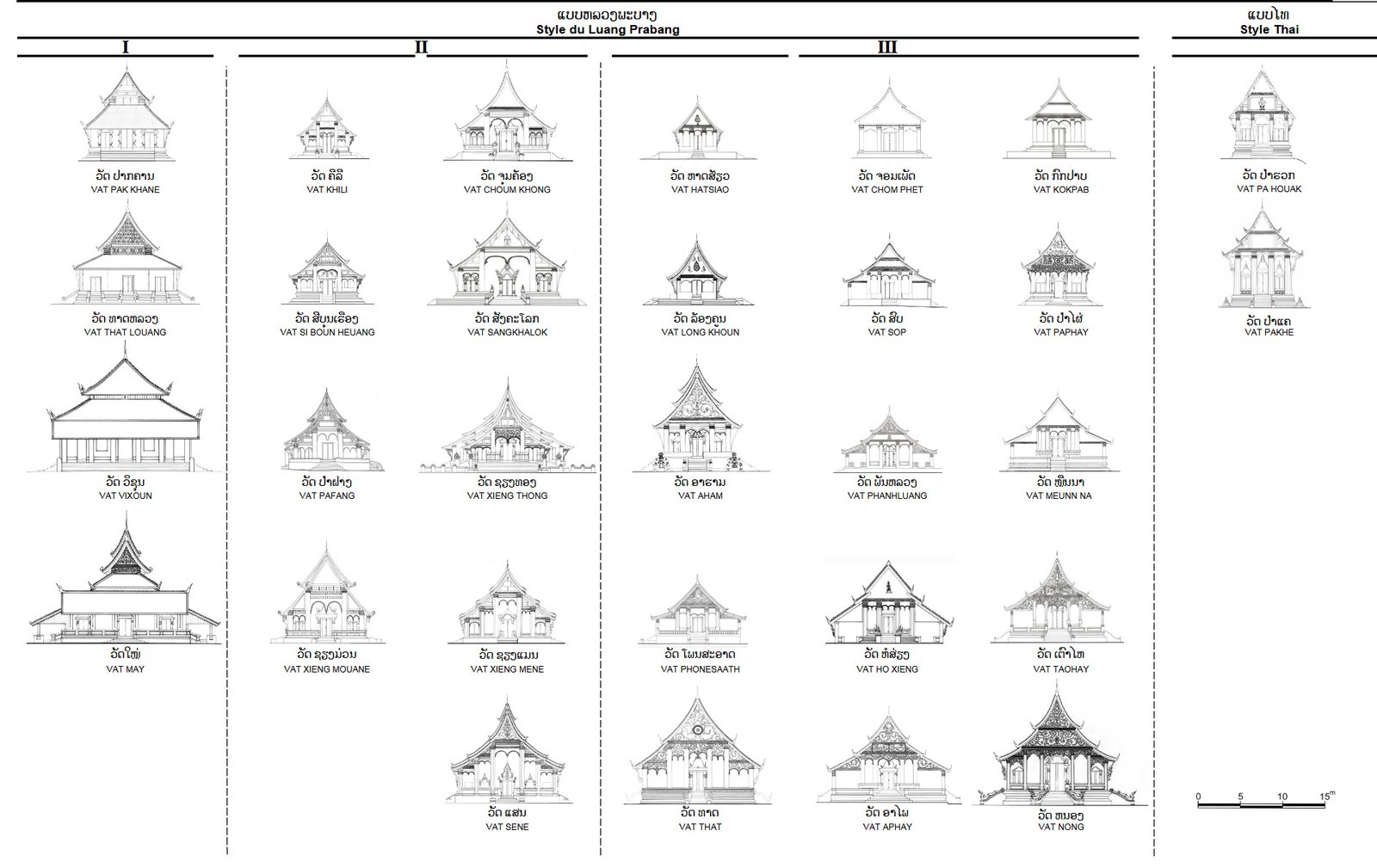
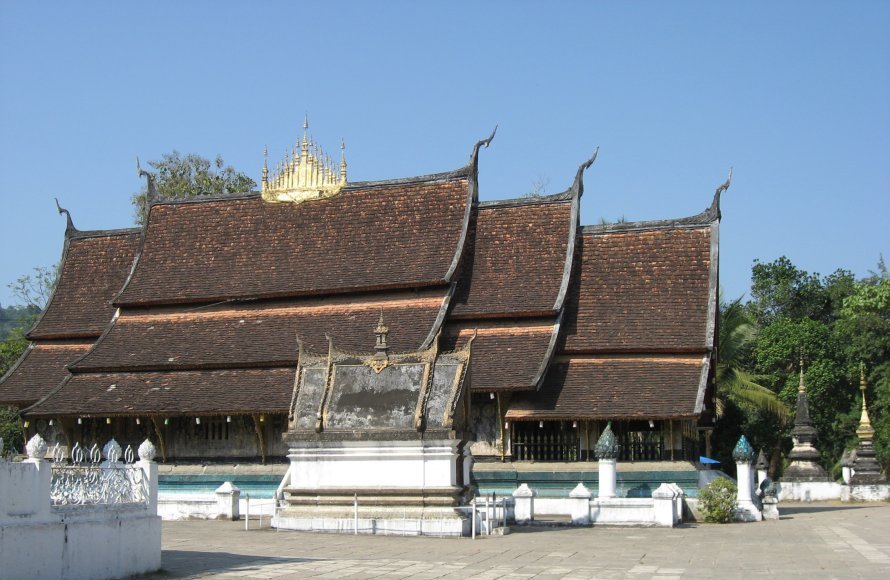
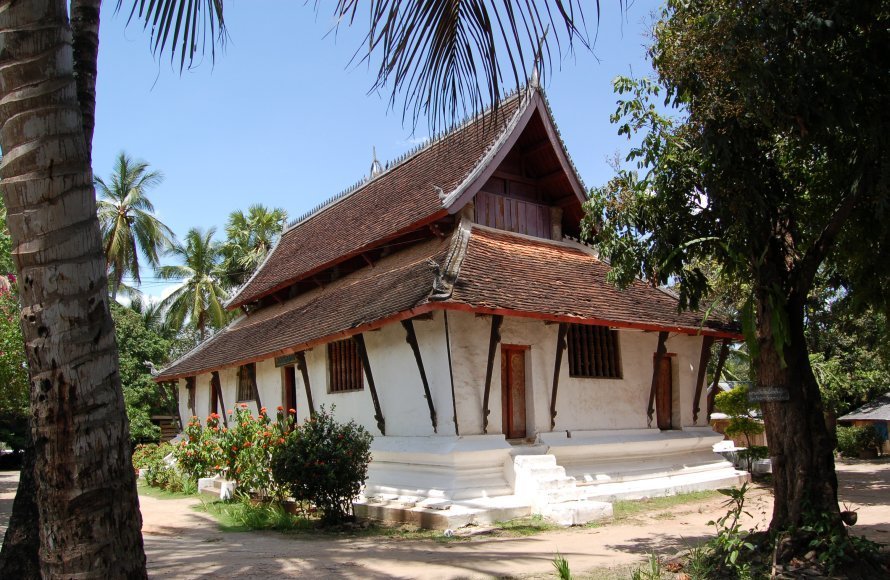
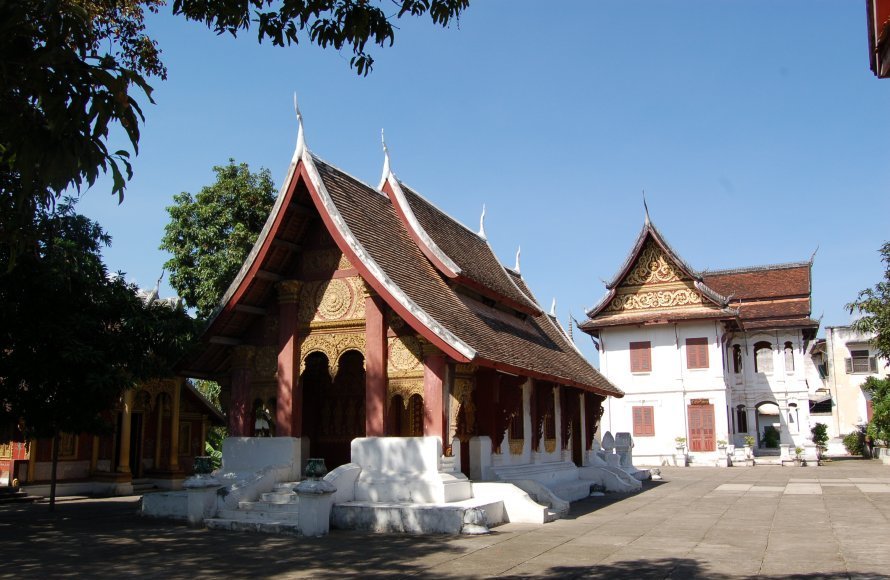
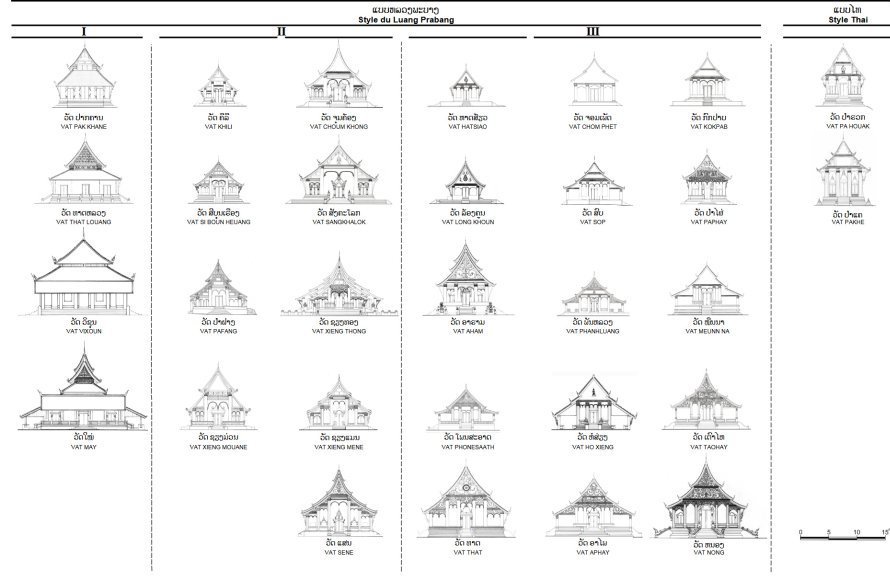
Luang Prabang’s architecture of vihan

Among the city’s most important temples is Wat Xieng Thong, often considered the masterpiece of classical Lao temple architecture. Monasteries serve not only as places of worship but also as centres of learning, community gatherings, and cultural preservation. Many young Lao men traditionally spend a period of their lives as novice monks, reinforcing the deep connection between religion and society. In Luang Prabang, spirituality is not confined to temples; it permeates daily routines, festivals, and family life, creating an atmosphere of calm reflection and reverence.

Architecture

The architecture of Luang Prabang is one of the primary reasons for its recognition as a global heritage site. The city presents a harmonious blend of traditional Lao design and colonial influences introduced during the French Indochina period. This combination creates a distinctive urban landscape rarely found elsewhere in Asia.

Traditional Lao houses are typically built from wood and raised on stilts to protect against seasonal flooding. They feature steep roofs, open verandas, and natural ventilation suited to the tropical climate. Buddhist temples, with their sweeping multi-tiered roofs and elaborate carvings, represent the highest expression of Lao architectural artistry.

During the late 19th and early 20th centuries, French colonial buildings were added to the cityscape. Elegant villas, administrative buildings, and shop-houses introduced European elements such as balconies, shutters, and symmetrical facades. Rather than replacing local traditions, these styles merged harmoniously with them. Today, the preserved streets of Luang Prabang stand as a living example of cultural dialogue between East and West.

Handicraft

Handicrafts represent one of the most vibrant expressions of cultural identity in Luang Prabang. For generations, artisans have passed down techniques for weaving, wood carving, pottery, and paper making. These crafts are deeply rooted in Lao tradition and often carry symbolic meanings tied to nature, spirituality, and community life.

Silk and cotton weaving is among the most renowned local crafts. Skilled artisans produce intricate textiles using traditional looms, incorporating patterns that reflect ethnic heritage and regional stories. A well-known place where these traditions are preserved and promoted is Ock Pop Tok Living Crafts Centre, which supports local weavers and showcases Lao textile art.

Another distinctive craft is the production of handmade paper from mulberry bark, often decorated with natural dyes, pressed leaves, or flowers. Visitors can find these products at the lively Luang Prabang Night Market, where stalls display colourful scarves, lanterns, paintings, and bamboo goods. These handcrafted items not only provide income for local communities but also ensure that centuries-old skills continue to thrive.

Gastronomy

The cuisine of Luang Prabang reflects the region’s rich agricultural landscape and cultural influences. Lao food emphasizes fresh herbs, fragrant spices, and balanced flavours that combine sour, spicy, salty, and bitter elements. Meals are traditionally shared, reinforcing a strong sense of community and hospitality.

One of the country’s most iconic dishes is Laap, a minced meat salad seasoned with lime juice, herbs, roasted rice powder, and chilli. Another staple is Khao Niao, or sticky rice, which is eaten daily and often served in small woven bamboo baskets. A regional speciality is Khao Soi (Lao noodle soup), a comforting broth with rice noodles, minced pork, and tomatoes.

Markets and street stalls offer a wide range of local delicacies, including grilled fish from the Mekong River, fresh papaya salad, and seasonal vegetables. Coffee culture has also grown in popularity, thanks to beans cultivated in southern Laos. In Luang Prabang, food is more than nourishment—it is a cultural experience that brings people together and celebrates local ingredients.

Nature & Trekking

Surrounded by mountains, forests, and rivers, Luang Prabang offers exceptional opportunities for nature exploration and trekking. The region’s landscape is characterized by lush tropical vegetation, limestone formations, and remote villages connected by forest trails. These natural surroundings provide a striking contrast to the calm historic town centre.

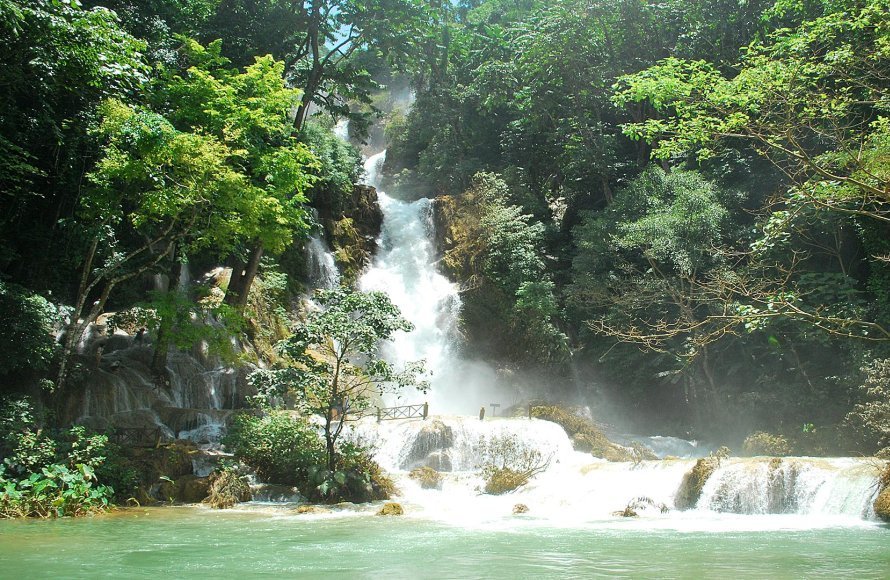
One of the most famous natural attractions is Kuang Si Falls, a multi-tiered waterfall with turquoise pools cascading through dense jungle. The site is a popular destination for swimming and hiking. Nearby, the Tat Kuang Si Bear Rescue Centre shelters endangered Asiatic black bears rescued from illegal wildlife trade.

For trekking enthusiasts, the nearby Nam Ha National Protected Area offers guided hikes through forests and ethnic minority villages. Trails often lead through rice fields, bamboo groves, and mountainous terrain, providing opportunities to learn about local farming practices and traditional lifestyles. These excursions allow travelers to experience the natural beauty and cultural richness that define the region.

Cultural Main Sites

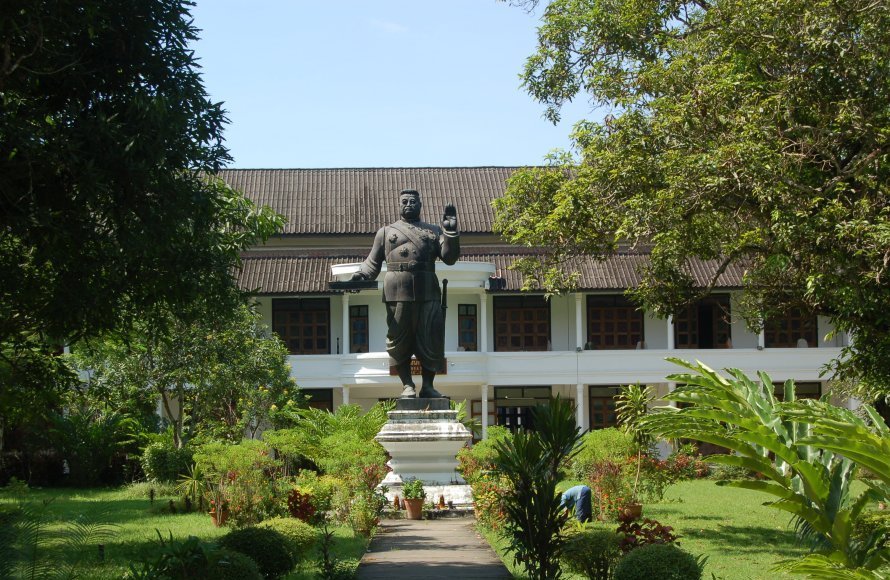
As a historic royal city, Luang Prabang contains an extraordinary concentration of cultural landmarks. Among the most significant is Royal Palace Museum (Luang Prabang), once the residence of Lao kings and now a museum displaying royal artefacts and religious treasures.

Another iconic site is Mount Phousi, a hill in the centre of town offering panoramic views of the Mekong River and surrounding mountains. Visitors climb hundreds of steps to reach sacred shrines and a golden stupa at the summit.

Other notable places include:

  • Pak Ou Caves,
  • Wat Mai Suwannaphumaham,
  • Heuan Chan Cultural Centre
  • Traditional Arts and Ethnology Centre,
  • UXO Laos Visitor Centre,
  • Wat Sensoukharam,
  • And many other highlights and curiosities

These sites reflect the city’s religious devotion, royal history, and cultural diversity, making Luang Prabang one of South-east Asia’s most fascinating heritage destinations.

Ethnic Diversity

The province surrounding Luang Prabang is home to a remarkable mosaic of ethnic communities. Laos as a whole officially recognizes dozens of ethnic groups, many of whom live in mountainous regions near the city. These groups maintain distinct languages, clothing styles, and cultural traditions.

Among the most prominent communities are the Hmong, Khmu, and Lao Loum. The Lao Loum, or “lowland Lao,” traditionally inhabit river valleys and form the majority population. The Khmu people are believed to be among the earliest inhabitants of northern Laos and often live in upland areas where they practice shifting agriculture. The Hmong, known for their vibrant textiles and embroidery, migrated to Laos centuries ago from southern China.

Local markets and festivals provide opportunities to witness this cultural diversity firsthand. Traditional clothing, handmade jewelry, and agricultural products reveal the unique identities of each community. Together, these ethnic groups contribute to the rich cultural tapestry of Luang Prabang Province.

Nestled between the Mekong and Nam Khan rivers in northern Laos, Luang Prabang is one of Southeast Asia’s most historically rich towns. Once the royal capital of the ancient Lao kingdom, the city’s origins trace back more than a thousand years. It was known as Muang Sua before becoming the capital of the powerful Lan Xang Kingdom in the 14th century under the rule of King Fa Ngum. The kingdom, whose name means “Land of a Million Elephants,” flourished for centuries and spread Theravada Buddhism throughout the region.

The name “Luang Prabang” itself derives from the revered Phra Bang Buddha Image, a sacred statue believed to protect the country. In the late 19th century, the city became part of French Indochina, a period that left a lasting architectural and cultural influence. Despite political change during the 20th century, including the end of the monarchy in 1975, Luang Prabang preserved its unique heritage. In 1995 it was recognized as a UNESCO World Heritage Site for its remarkable blend of traditional Lao and colonial architecture, as well as its well-preserved urban landscape.

Spirituality

Spiritual life lies at the heart of daily existence in Luang Prabang. The city is home to dozens of Buddhist temples, known locally as wats, that form an essential part of both the skyline and the rhythm of everyday life. For centuries, Theravada Buddhism has shaped local traditions, values, and ceremonies. Early each morning, the streets fill with the quiet footsteps of saffron-robed monks participating in the ancient ritual known as Tak Bat Alms-giving Ceremony. Residents and visitors offer sticky rice and other food as a gesture of merit and respect.

Luang Prabang’s architecture of vihan

Among the city’s most important temples is Wat Xieng Thong, often considered the masterpiece of classical Lao temple architecture. Monasteries serve not only as places of worship but also as centres of learning, community gatherings, and cultural preservation. Many young Lao men traditionally spend a period of their lives as novice monks, reinforcing the deep connection between religion and society. In Luang Prabang, spirituality is not confined to temples; it permeates daily routines, festivals, and family life, creating an atmosphere of calm reflection and reverence.

Architecture

The architecture of Luang Prabang is one of the primary reasons for its recognition as a global heritage site. The city presents a harmonious blend of traditional Lao design and colonial influences introduced during the French Indochina period. This combination creates a distinctive urban landscape rarely found elsewhere in Asia.

Traditional Lao houses are typically built from wood and raised on stilts to protect against seasonal flooding. They feature steep roofs, open verandas, and natural ventilation suited to the tropical climate. Buddhist temples, with their sweeping multi-tiered roofs and elaborate carvings, represent the highest expression of Lao architectural artistry.

During the late 19th and early 20th centuries, French colonial buildings were added to the cityscape. Elegant villas, administrative buildings, and shop-houses introduced European elements such as balconies, shutters, and symmetrical facades. Rather than replacing local traditions, these styles merged harmoniously with them. Today, the preserved streets of Luang Prabang stand as a living example of cultural dialogue between East and West.

Handicraft

Handicrafts represent one of the most vibrant expressions of cultural identity in Luang Prabang. For generations, artisans have passed down techniques for weaving, wood carving, pottery, and paper making. These crafts are deeply rooted in Lao tradition and often carry symbolic meanings tied to nature, spirituality, and community life.

Silk and cotton weaving is among the most renowned local crafts. Skilled artisans produce intricate textiles using traditional looms, incorporating patterns that reflect ethnic heritage and regional stories. A well-known place where these traditions are preserved and promoted is Ock Pop Tok Living Crafts Centre, which supports local weavers and showcases Lao textile art.

Another distinctive craft is the production of handmade paper from mulberry bark, often decorated with natural dyes, pressed leaves, or flowers. Visitors can find these products at the lively Luang Prabang Night Market, where stalls display colourful scarves, lanterns, paintings, and bamboo goods. These handcrafted items not only provide income for local communities but also ensure that centuries-old skills continue to thrive.

Gastronomy

The cuisine of Luang Prabang reflects the region’s rich agricultural landscape and cultural influences. Lao food emphasizes fresh herbs, fragrant spices, and balanced flavours that combine sour, spicy, salty, and bitter elements. Meals are traditionally shared, reinforcing a strong sense of community and hospitality.

One of the country’s most iconic dishes is Laap, a minced meat salad seasoned with lime juice, herbs, roasted rice powder, and chilli. Another staple is Khao Niao, or sticky rice, which is eaten daily and often served in small woven bamboo baskets. A regional speciality is Khao Soi (Lao noodle soup), a comforting broth with rice noodles, minced pork, and tomatoes.

Markets and street stalls offer a wide range of local delicacies, including grilled fish from the Mekong River, fresh papaya salad, and seasonal vegetables. Coffee culture has also grown in popularity, thanks to beans cultivated in southern Laos. In Luang Prabang, food is more than nourishment—it is a cultural experience that brings people together and celebrates local ingredients.

Nature & Trekking

Surrounded by mountains, forests, and rivers, Luang Prabang offers exceptional opportunities for nature exploration and trekking. The region’s landscape is characterized by lush tropical vegetation, limestone formations, and remote villages connected by forest trails. These natural surroundings provide a striking contrast to the calm historic town centre.

One of the most famous natural attractions is Kuang Si Falls, a multi-tiered waterfall with turquoise pools cascading through dense jungle. The site is a popular destination for swimming and hiking. Nearby, the Tat Kuang Si Bear Rescue Centre shelters endangered Asiatic black bears rescued from illegal wildlife trade.

For trekking enthusiasts, the nearby Nam Ha National Protected Area offers guided hikes through forests and ethnic minority villages. Trails often lead through rice fields, bamboo groves, and mountainous terrain, providing opportunities to learn about local farming practices and traditional lifestyles. These excursions allow travelers to experience the natural beauty and cultural richness that define the region.

Cultural Main Sites

As a historic royal city, Luang Prabang contains an extraordinary concentration of cultural landmarks. Among the most significant is Royal Palace Museum (Luang Prabang), once the residence of Lao kings and now a museum displaying royal artefacts and religious treasures.

Another iconic site is Mount Phousi, a hill in the centre of town offering panoramic views of the Mekong River and surrounding mountains. Visitors climb hundreds of steps to reach sacred shrines and a golden stupa at the summit.

Other notable places include:

  • Pak Ou Caves,
  • Wat Mai Suwannaphumaham,
  • Heuan Chan Cultural Centre
  • Traditional Arts and Ethnology Centre,
  • UXO Laos Visitor Centre,
  • Wat Sensoukharam,
  • And many other highlights and curiosities

These sites reflect the city’s religious devotion, royal history, and cultural diversity, making Luang Prabang one of South-east Asia’s most fascinating heritage destinations.

Ethnic Diversity

The province surrounding Luang Prabang is home to a remarkable mosaic of ethnic communities. Laos as a whole officially recognizes dozens of ethnic groups, many of whom live in mountainous regions near the city. These groups maintain distinct languages, clothing styles, and cultural traditions.

Among the most prominent communities are the Hmong, Khmu, and Lao Loum. The Lao Loum, or “lowland Lao,” traditionally inhabit river valleys and form the majority population. The Khmu people are believed to be among the earliest inhabitants of northern Laos and often live in upland areas where they practice shifting agriculture. The Hmong, known for their vibrant textiles and embroidery, migrated to Laos centuries ago from southern China.

Local markets and festivals provide opportunities to witness this cultural diversity firsthand. Traditional clothing, handmade jewelry, and agricultural products reveal the unique identities of each community. Together, these ethnic groups contribute to the rich cultural tapestry of Luang Prabang Province.

Interested by this tour?

Tell us more (optional)
Guide language
Center of interest