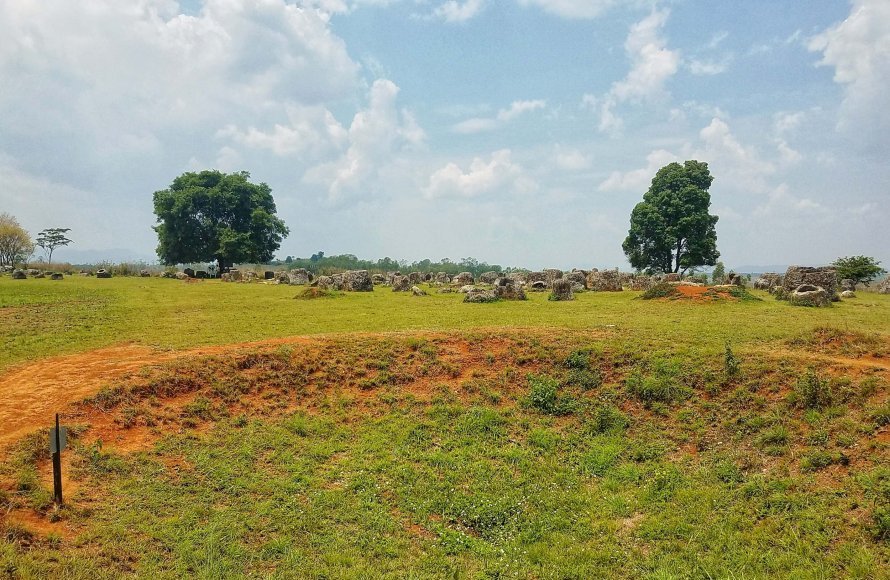
The Plain of Jars

Unraveling the Mysteries of Laos

Recent survey about Jars
Area, one of the world record for bombing

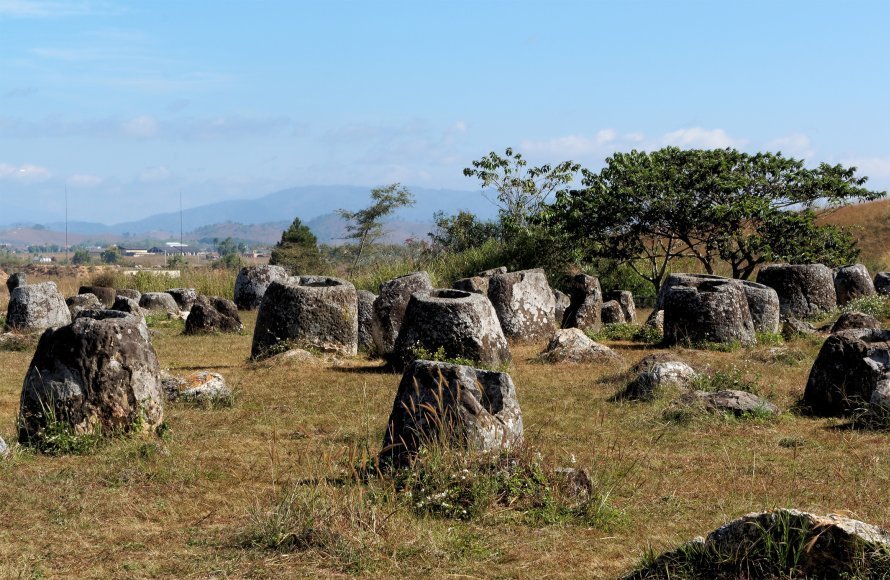
In the heart of Laos, scattered across the windswept highlands of Xieng Khouang, lies one of South-east Asia’s greatest archaeological enigmas: the Plain of Jars. This otherworldly landscape, dotted with thousands of massive stone jars, is an invitation to step back in time and walk in the footsteps of a lost civilization. For the intrepid traveller, it offers more than just a photo opportunity; it is a journey into deep history, ancient mystery, and the resilient spirit of the Laotian people.

The veil lifts: new discoveries from recent surveys

For decades, the secrets of the Plain of Jars remained buried—literally and figuratively. Isolated and scarred by decades of conflict, the site was challenging to study. However, a new era of archaeological investigation has begun to reshape our understanding. A landmark collaborative project, led by Australian National University researchers in partnership with the Lao government, conducted extensive fieldwork between 2016 and 2020, yielding ground-breaking conclusions.

While the French archaeologist Madeleine Colani first proposed a funerary purpose for the jars in the 1930s, modern science has now provided compelling proof. Excavations at Site 1, the most accessible location, uncovered a surprising array of human remains, dating back over 2,500 years. The survey revealed that the jars were not just solitary monuments but the centrepieces of complex mortuary landscapes. Using advanced techniques like Optically Stimulated Luminescence (OSL) and radiocarbon dating, the team was able to precisely date the remains found buried around the jars.

The most startling conclusion? The creation and primary use of the jars spanned a much longer period than previously thought—from roughly 1240 to 660 BCE. This pushes the origins of the site back into the Iron Age, a time of significant technological and social change in South-east Asia. Furthermore, the analysis of the buried skeletons provided clues about the people themselves: their diet, their health, and even their migrations. The survey confirmed Colani’s genius while adding layers of complexity, proving the site was a dynamic, multi-generational ritual landscape. For visitors today, these discoveries add a profound sense of connection to the ancient souls who once gathered here.

The Jars: stone sentinels of a forgotten purpose

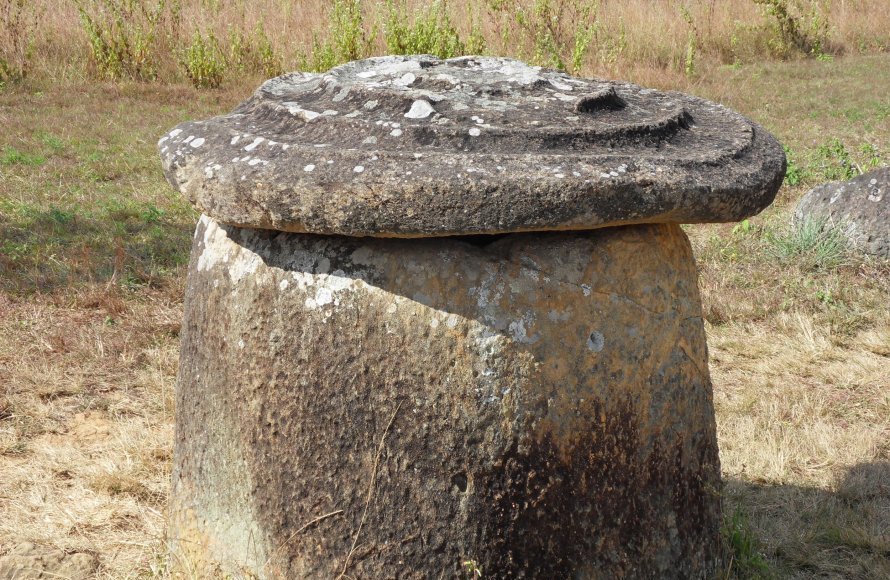
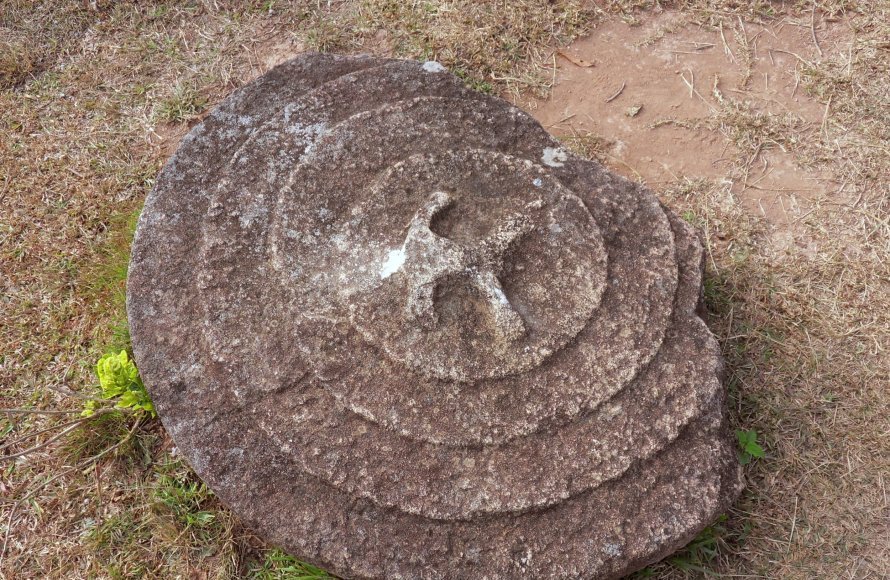
Scattered across more than 90 sites, over 2,000 carved stone jars create a hauntingly beautiful panorama. They are not uniform. They range from small, simple vessels to colossal behemoths weighing up to 20 tons and standing over three meters tall. The sheer effort required to quarry, shape, and transport these megaliths is the first piece of the puzzle. Where did they come from, and why were they made?

The provenance of the stone is a mystery in itself. Geologists have identified that the jars were carved from a variety of materials—sandstone, granite, conglomerate, and limestone. The nearest known quarries are often several kilometres away from where the jars now rest. While some believe the jars were carved directly at the quarry site and then transported, the sheer weight and the rough, mountainous terrain make this a herculean task. The most plausible theory involves dragging the finished jars on wooden rollers, a feat requiring immense communal effort and organization.

But the greatest mystery remains their function. While recent surveys have confirmed the funerary link, the exact nature of the jars’ role is still debated. Madeleine Colani famously theorized they were gigantic funeral urns. She discovered charcoal, ash, and glass beads in and around the jars, suggesting cremated remains were placed inside. However, no human remains have ever been found *inside* the jars themselves, only in the surrounding soil. This has led to several compelling theories:

  • The Distillation Theory: The most widely accepted idea is that the jars were used to collect and store the remains of the dead, possibly after a period of exposure or partial cremation. The body would be placed inside to decompose, and the bones would later be buried nearby.
  • The Fermentation Theory: A more practical, if less romantic, theory posits that the jars were used to ferment rice beer or other goods for large-scale rituals and feasts, explaining why they are often positioned near ancient trade routes.
  • The Rain Jar Theory: Local legend tells of a race of giants, led by their king Khun Cheung, who carved the jars to brew and store vast quantities of "lao lao" (rice whiskey, a kind of Sake) to celebrate a great victory.

Whatever their purpose, standing before these silent stone giants as the sun sets over the karst mountains, one cannot help but feel the weight of time and the persistent pull of an unanswered question.

The Secret War & the UXO challenge

The history of the Plain of Jars is not only ancient; it is also tragically modern. The serene landscape hides a painful secret. Between 1964 and 1973, during the Vietnam War, Laos became the most heavily bombed country per capita in history. Xieng Khouang province, where the Plain of Jars is located, was on the front line of this "Secret War" waged by the U.S. against North Vietnamese supply lines.

This history has left a devastating legacy: **Unexploded Ordnance (UXO)** . Millions of cluster bomblets were dropped, and a significant percentage failed to detonate. For decades, these hidden dangers made large portions of the Plain of Jars inaccessible, preserving the archaeological sites but also posing a lethal threat to local farming communities. Visiting the Plain of Jars today is a testament to the incredible work of organizations like MAG (Mines Advisory Group) who have tirelessly cleared the sites. Walking the safe, marked paths is a powerful reminder of the past. For the traveller, a visit to the nearby UXO Visitor Information Centre in Phonsavan is essential. It tells the story of the war and the ongoing clearance efforts, transforming a visit to the jars from a simple sightseeing trip into an act of respect and remembrance for a landscape and a people finally at peace.

A Taste of the highlands: gastronomy in Xieng Khouang

No journey is complete without savouring the local flavours. Xieng Khouang offers a unique culinary identity, especially for its sausages. The other star attraction is the legendary "Mok Pa" — fish steamed in a fragrant parcel of banana leaves with herbs and lemon-grass. However, the region is most famous for its own creation: "Khao Poon". Unlike the more common Lao version, the Xieng Khouang-style rice vermicelli soup is served with a rich, dark broth made from buffalo meat and blood, offering an intensely savoury and unique taste. Don’t leave without trying the locally produced "Muang Khoun whiskey" and fresh, mountain-grown vegetables that accompany nearly every meal—a simple, delicious end to an unforgettable journey into the heart of Laos.

In the heart of Laos, scattered across the windswept highlands of Xieng Khouang, lies one of South-east Asia’s greatest archaeological enigmas: the Plain of Jars. This otherworldly landscape, dotted with thousands of massive stone jars, is an invitation to step back in time and walk in the footsteps of a lost civilization. For the intrepid traveller, it offers more than just a photo opportunity; it is a journey into deep history, ancient mystery, and the resilient spirit of the Laotian people.

The veil lifts: new discoveries from recent surveys

For decades, the secrets of the Plain of Jars remained buried—literally and figuratively. Isolated and scarred by decades of conflict, the site was challenging to study. However, a new era of archaeological investigation has begun to reshape our understanding. A landmark collaborative project, led by Australian National University researchers in partnership with the Lao government, conducted extensive fieldwork between 2016 and 2020, yielding ground-breaking conclusions.

While the French archaeologist Madeleine Colani first proposed a funerary purpose for the jars in the 1930s, modern science has now provided compelling proof. Excavations at Site 1, the most accessible location, uncovered a surprising array of human remains, dating back over 2,500 years. The survey revealed that the jars were not just solitary monuments but the centrepieces of complex mortuary landscapes. Using advanced techniques like Optically Stimulated Luminescence (OSL) and radiocarbon dating, the team was able to precisely date the remains found buried around the jars.

The most startling conclusion? The creation and primary use of the jars spanned a much longer period than previously thought—from roughly 1240 to 660 BCE. This pushes the origins of the site back into the Iron Age, a time of significant technological and social change in South-east Asia. Furthermore, the analysis of the buried skeletons provided clues about the people themselves: their diet, their health, and even their migrations. The survey confirmed Colani’s genius while adding layers of complexity, proving the site was a dynamic, multi-generational ritual landscape. For visitors today, these discoveries add a profound sense of connection to the ancient souls who once gathered here.

The Jars: stone sentinels of a forgotten purpose

Scattered across more than 90 sites, over 2,000 carved stone jars create a hauntingly beautiful panorama. They are not uniform. They range from small, simple vessels to colossal behemoths weighing up to 20 tons and standing over three meters tall. The sheer effort required to quarry, shape, and transport these megaliths is the first piece of the puzzle. Where did they come from, and why were they made?

The provenance of the stone is a mystery in itself. Geologists have identified that the jars were carved from a variety of materials—sandstone, granite, conglomerate, and limestone. The nearest known quarries are often several kilometres away from where the jars now rest. While some believe the jars were carved directly at the quarry site and then transported, the sheer weight and the rough, mountainous terrain make this a herculean task. The most plausible theory involves dragging the finished jars on wooden rollers, a feat requiring immense communal effort and organization.

But the greatest mystery remains their function. While recent surveys have confirmed the funerary link, the exact nature of the jars’ role is still debated. Madeleine Colani famously theorized they were gigantic funeral urns. She discovered charcoal, ash, and glass beads in and around the jars, suggesting cremated remains were placed inside. However, no human remains have ever been found *inside* the jars themselves, only in the surrounding soil. This has led to several compelling theories:

  • The Distillation Theory: The most widely accepted idea is that the jars were used to collect and store the remains of the dead, possibly after a period of exposure or partial cremation. The body would be placed inside to decompose, and the bones would later be buried nearby.
  • The Fermentation Theory: A more practical, if less romantic, theory posits that the jars were used to ferment rice beer or other goods for large-scale rituals and feasts, explaining why they are often positioned near ancient trade routes.
  • The Rain Jar Theory: Local legend tells of a race of giants, led by their king Khun Cheung, who carved the jars to brew and store vast quantities of "lao lao" (rice whiskey, a kind of Sake) to celebrate a great victory.

Whatever their purpose, standing before these silent stone giants as the sun sets over the karst mountains, one cannot help but feel the weight of time and the persistent pull of an unanswered question.

The Secret War & the UXO challenge

The history of the Plain of Jars is not only ancient; it is also tragically modern. The serene landscape hides a painful secret. Between 1964 and 1973, during the Vietnam War, Laos became the most heavily bombed country per capita in history. Xieng Khouang province, where the Plain of Jars is located, was on the front line of this "Secret War" waged by the U.S. against North Vietnamese supply lines.

This history has left a devastating legacy: **Unexploded Ordnance (UXO)** . Millions of cluster bomblets were dropped, and a significant percentage failed to detonate. For decades, these hidden dangers made large portions of the Plain of Jars inaccessible, preserving the archaeological sites but also posing a lethal threat to local farming communities. Visiting the Plain of Jars today is a testament to the incredible work of organizations like MAG (Mines Advisory Group) who have tirelessly cleared the sites. Walking the safe, marked paths is a powerful reminder of the past. For the traveller, a visit to the nearby UXO Visitor Information Centre in Phonsavan is essential. It tells the story of the war and the ongoing clearance efforts, transforming a visit to the jars from a simple sightseeing trip into an act of respect and remembrance for a landscape and a people finally at peace.

A Taste of the highlands: gastronomy in Xieng Khouang

No journey is complete without savouring the local flavours. Xieng Khouang offers a unique culinary identity, especially for its sausages. The other star attraction is the legendary "Mok Pa" — fish steamed in a fragrant parcel of banana leaves with herbs and lemon-grass. However, the region is most famous for its own creation: "Khao Poon". Unlike the more common Lao version, the Xieng Khouang-style rice vermicelli soup is served with a rich, dark broth made from buffalo meat and blood, offering an intensely savoury and unique taste. Don’t leave without trying the locally produced "Muang Khoun whiskey" and fresh, mountain-grown vegetables that accompany nearly every meal—a simple, delicious end to an unforgettable journey into the heart of Laos.

Included in this program

  • Private Transportation
  • English speaking guide
  • Admission fee to indicated sights
  • Meals as mentioned [B = Breakfast / L = Lunch / D = Dinner]
  • Government tax & service charge
  • Luggage handling & drinking water

excluded in this program

  • Visa stamping fee on arrival
  • International air tickets to/from Laos
  • Domestic air tickets
  • Travel Insurance in all kinds
  • Single room (quoted separately)
  • Other foreign language guide
  • Peak tourist season or special event rates
  • Tip, drinks and other personal expenses

Interested by this tour?

Tell us more (optional)
Guide language
Center of interest